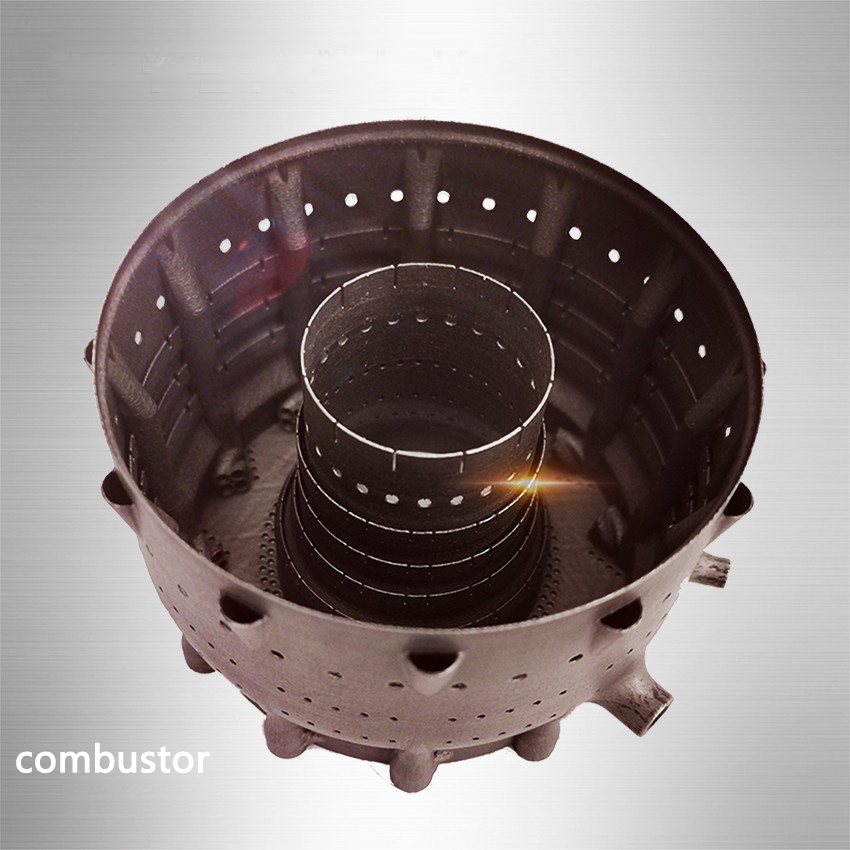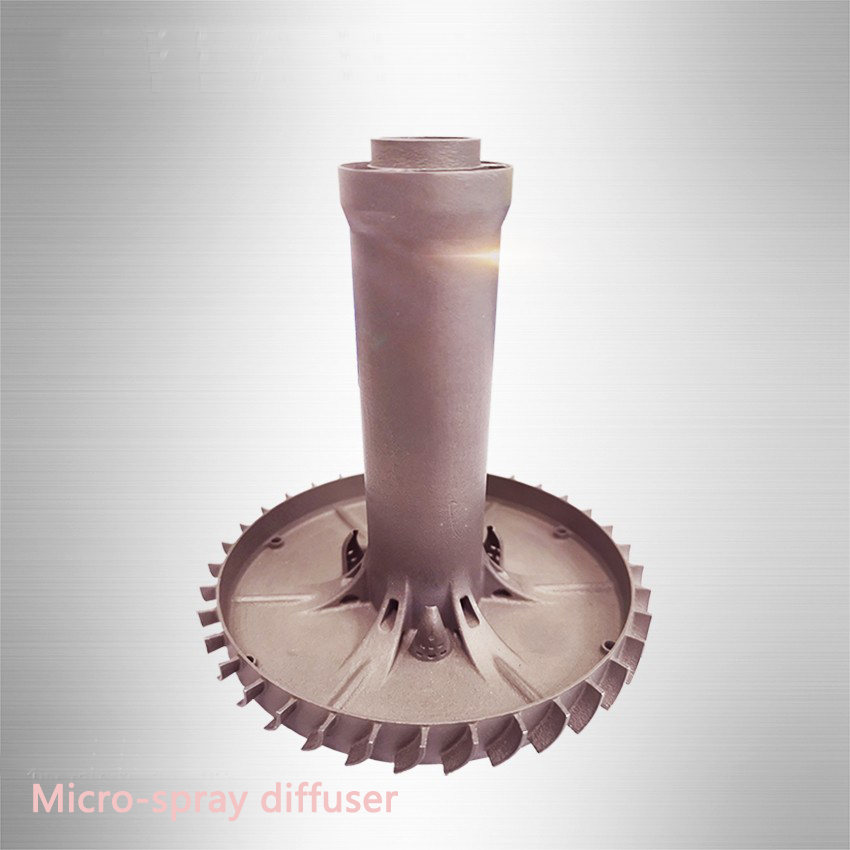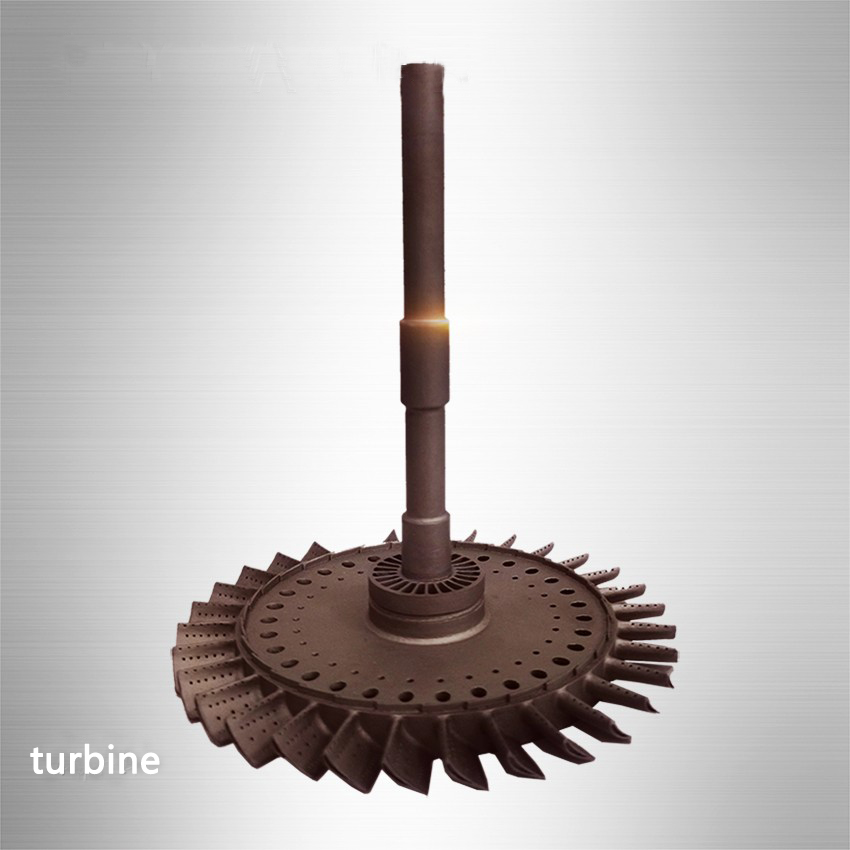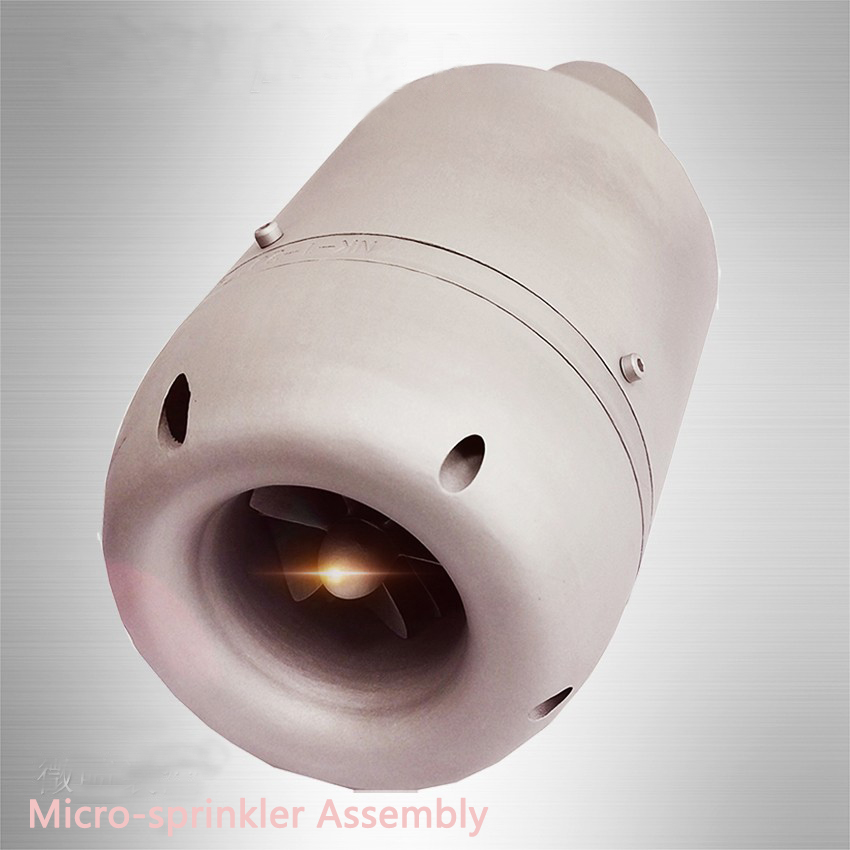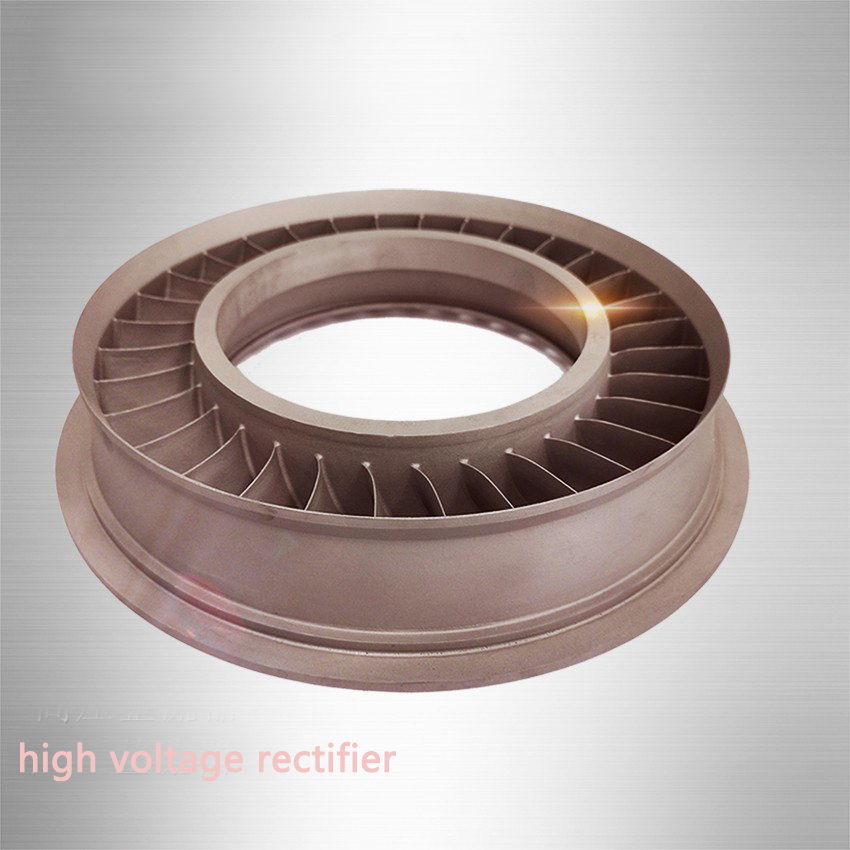


Product Introduction
Application case
 |  |  |
| Shock Runner | Engine Housing | Mixed Flow Impeller |
 |  |  |
| Drone Mounting Bracket | Thrust chamber | Spacecraft Hull Structure |
Industry Introduction
Every kilogram of weight reduction in a spacecraft can lower the launch cost by 20,000 US dollars. Every gram of weight saved through lightweight design is of great significance. Traditional structural design is limited by the processing capabilities of traditional manufacturing techniques and can only rely on experience and accumulation for design, often resulting in uneven force distribution and uneven material distribution. Based on metal 3D printing technology and combined with topological optimization design, the optimized structure can achieve a significant weight reduction while meeting functional and stiffness requirements, with improved strength and reduced local stress. The load distribution becomes more uniform, and the material is distributed evenly and reasonably. 3D printing technology can process any complex structure, and its manufacturing cost is independent of the complexity of the structure. This breaks the shackles of traditional manufacturing techniques and provides more flexible freedom for structural optimization design, making it particularly suitable for the processing of complex geometric components through topological optimization design.
Advantages of Metal 3D Printing
1. Without the need for complex traditional processing procedures or any molds, design drawings can be directly transformed into physical objects, significantly shortening the preparation cycle of parts and enhancing R&D efficiency.
2. Multiple parts can be compounded in multiple dimensions, achieving integrated molding of multi-part and complex structures, thereby improving production efficiency.
3. In the aerospace field where raw materials are extremely expensive, traditional subtractive manufacturing has a low raw material utilization rate and the raw materials cannot be recycled, thus increasing manufacturing costs. However, metal 3D printing technology has a high material utilization rate, and the raw materials put into use only need simple post-processing to be recycled, thereby reducing production costs.
2. Multiple parts can be compounded in multiple dimensions, achieving integrated molding of multi-part and complex structures, thereby improving production efficiency.
3. In the aerospace field where raw materials are extremely expensive, traditional subtractive manufacturing has a low raw material utilization rate and the raw materials cannot be recycled, thus increasing manufacturing costs. However, metal 3D printing technology has a high material utilization rate, and the raw materials put into use only need simple post-processing to be recycled, thereby reducing production costs.
The working principle of SLM metal 3D printing
Using metal powder as raw material, the 3D model data is sliced in the Z direction into two-dimensional planar graphics. The two-dimensional planar graphics are sintered and formed on the powder bed by controlling the laser path with a galvanometer, and then the two-dimensional graphics are stacked to form a three-dimensional part.

SLM Metal 3D Printing Materials and Properties(as-heat-treated condition)
| Material type | Material designation | Tensile Strength / MPa | Yield Strength/MPa | Ductility/% | ||
| X-axis and Y-axis direction | Z-axis direction | X-axis and Y-axis direction | Z-axis direction | |||
| Aluminium alloy | AlSi10Mg | 456±30 | 440±30 | 311±30 | 270±30 | 8±2 |
| AlSi7Mg | 424±20 | 405±20 | 289±20 | 262±20 | ≥7 | |
| aldural | 541±15 | 515±15 | 520±15 | 475±30 | ≥10 | |
| Titanium alloy | TC4 | 1040±90 | 1050±90 | 980±90 | 1000±90 | 14±4 |
| TA15 | 1118±100 | 1142±100 | 1064±100 | 1118±100 | 12±4 | |
| Stainless steel | 316L | 678±20 | 650±20 | 427±30 | 418±30 | 51±10 |
| 304L | 600±50 | 597±50 | 353±20 | 352±20 | 55±10 | |
| 4J36 | 550±50 | 530±50 | 492±50 | 472±50 | 34 | |
| 17-4PH | 1110±50 | 1109±50 | 1073±50 | 1046±50 | ≥15 | |
| Die steel | MS1(1.2709/18Ni300) | 1833±50 | 1805±50 | 1772±50 | 1739±50 | ≥7 |
| High temperature alloy | GH4169(In718) | 1400±50 | 1250±50 | 1250±50 | 1250±50 | 9~20 |
| GH3625 | 900±50 | 850±50 | 410±50 | 390±50 | ||
| GH5188 | 954±20 | 888±20 | 449±20 | 441±20 | 64±10 | |
| GH3536 | 878±50 | 885±50 | 548±30 | 549±30 | 37±10 | |
| GH4099 | 1215±50 | 1170±50 | 1047±50 | 988±50 | 30±5 | |
模具生产效率问